“The ache for home lives in all of us. The safe place where we can go as we are and not be questioned.”
Maya Angelou
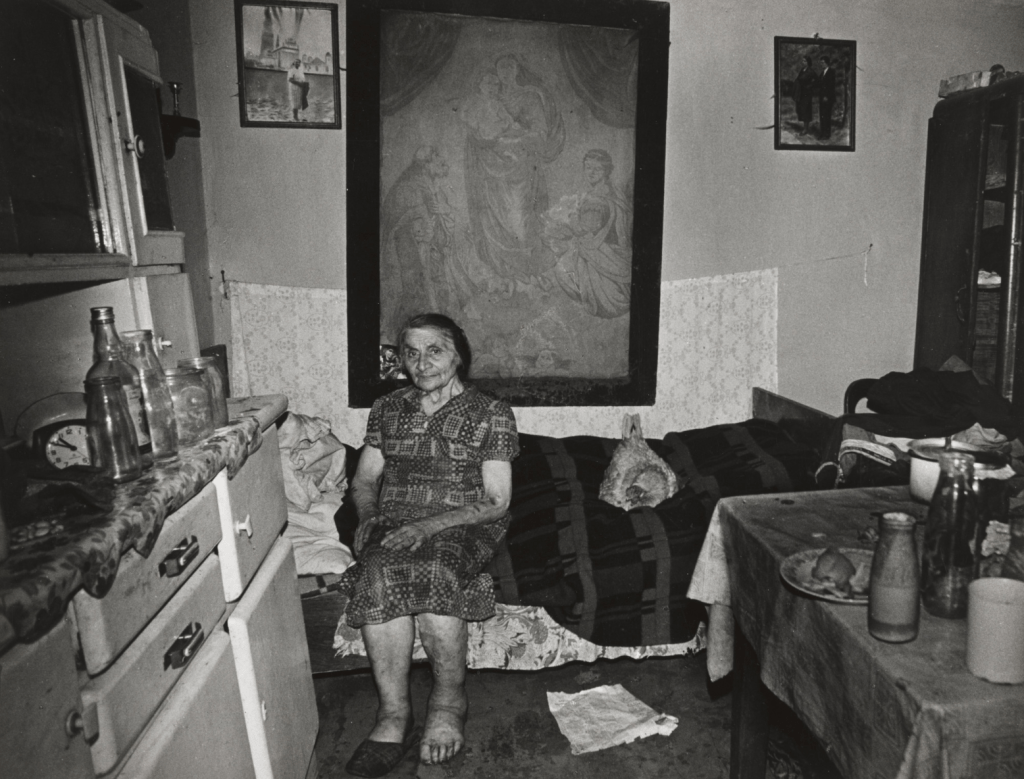
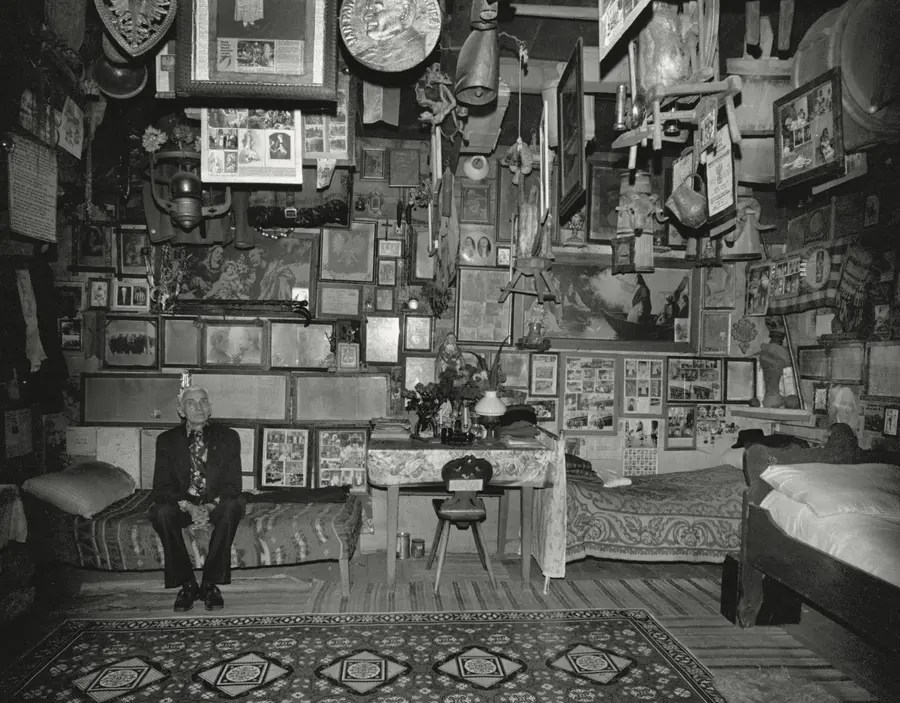
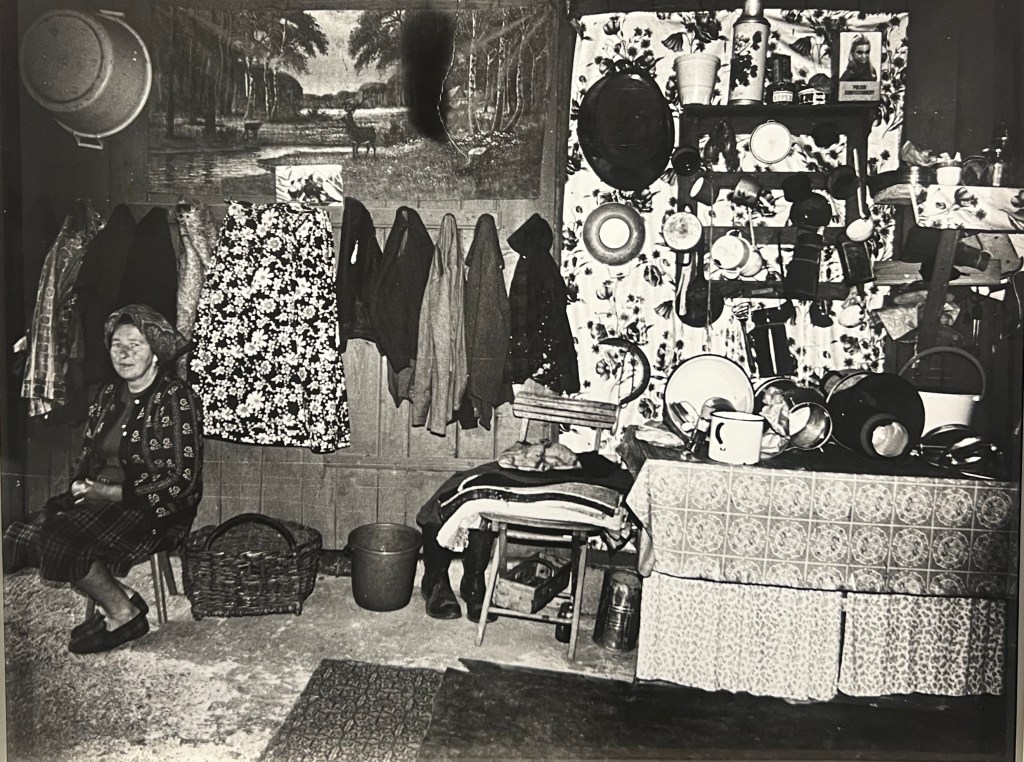
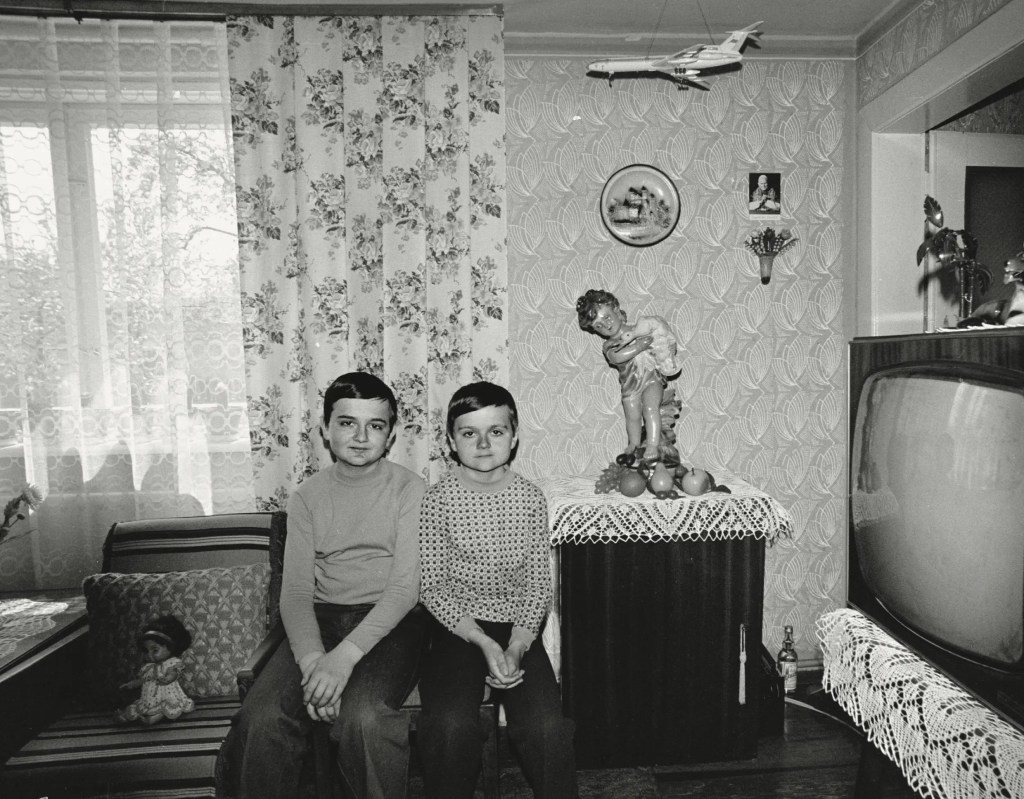
The importance of the home is indisputable. It is both a physical place and an emotional experience; somewhere which simultaneously protects us from the outside world and helps us to build the personhood and confidence to face it. Maya Angelou expresses this vitality in her statement, emphasising this importance by highlighting the essential and functional benefits of going ‘home’. The intertwining of the home and the self was further explored in Zofia Rydet’s important photograph exhibition, the ‘Sociological Record,’ at The Photography Gallery in London. Each photograph shows the extent to which ‘home lives in all of us’. These images capture how homes are profoundly shaped by the individuals living there and how, in turn, these individuals are shaped by their homes. As Frank Lloyd Wright stated, ‘we create our buildings and then they create us’.
Despite our innate reverence for the home, issues remain that erode access to the ‘safe place we can go’. Economists estimate that the total value of the UK’s housing stock is £9 trillion. The limitation of this narrow interpretation is at the heart of Maya Angelou’s quote. When we examine the importance of ‘the ache for a home’, it is evident there is a misallocation of resources in the UK: we do not invest enough to create homes where anyone ‘can go’. Our homes are not always ‘the safe place’ given the scale of domestic violence. Declining personal privacy is resulting in fewer places where we can be ‘as we are and not be questioned’. In light of these issues, this article explores the meaning of ‘true’ value – the worth – of a home. It considers the need for new approaches to housing, the importance of adequate resourcing for domestic violence reduction programmes and the necessity of setting boundaries on digital surveillance.
The recurring issue with housing is the tension between its social worth and its economic value. As Raphael Warnock argues, housing is the foundation on which families depend; it is the bedrock of individual and societal welfare. It is, as Joe Slovo stated, ‘a spiritual need which goes to the root of a dignified and tolerable life’. Yet in free market economies, house prices and rents are consistently unaffordable to large numbers of people. In the UK, average house prices are only affordable to around the top 10% of earners, while 29% of all adults report difficulty paying for housing. This is the result of two market failures: the inability of the market to value the social worth of housing and the structural limits on the market for land (regulations, environmental concerns, etc.). These two factors limit the supply of housing, which in turn leads to housing being viewed as a ‘speculative’ investment asset, further driving up prices. Again, we see an implicit understanding that the ‘worth’ of the house stabilises its value. This, in theory, works well and is what makes property such an attractive investment. That is, until the relationship between the worth of the home and the value of the property become untethered from each other, and prices skyrocket. This is why questions of housing must always consider affordability and accessibility, not just an increase in the number of properties.
To close this gap requires more than subsidies, which reinforce the problem of the high cost of housing and ultimately end up funnelling money back to the owners of capital and land developers. Instead, it requires a system response: a combination of subsidies (to reflect social worth), increased availability of land (preferably owned by local government to limit speculation), more social housing and policies to support mixed communities. These actions would reinforce homes as a central component of a strong community. In Vienna, this system approach has been adopted to provide ‘affordable, secure housing for persons with low and medium incomes’ to create the homes that people ‘ache’ for. The city’s approach embraces the dual status of housing as a home and a potential investment asset, and leverages this to the benefit of residents through three principles. Firstly, by developing a significant stock of affordable social housing. Nearly 50% of Vienna’s population lives in one of the 200,000 municipal flats or 200,000 subsidised dwellings. This has the effect of reducing housing costs across the city, including in the private sector. Secondly, there is a focus on maintaining a diverse mix of residents in city housing. Urban designer Maik Novotny argues that ‘to avoid the creation of ghettoes and the costly social conflicts that come with them, the city actively strives for a mixing of people from different backgrounds and on different incomes in the same estates’. This mixing of people is the very function of successful cities transformed into policy. As Jane Jacobs argued, the innovation and experimentation (scientifically, artistically, socially) that occur in successful cities can only happen because there are so many different people in constant contact with each other. Furthermore, Vienna’s approach reduces class distinctions that often permeate social housing and undermines the belief in the existence of a ‘dependent class’, which restricts social mobility and the agency necessary to drive an equitable society. This policy formalised the idea that good, affordable housing is for everyone in society. Thirdly, access to the benefits of housing is enshrined in a series of legal protections that apply to both social housing and private property. These include rent control, open-ended leases and ‘just cause’ eviction protection. The Viennese model demonstrates that policy can produce affordable housing, spaces that facilitate social cohesion, and high-quality architecture – all while creating a strong ‘sense of the tenant’s ownership’. As Angelou understands, the heart of a successful community is first forged from the safety and reliability provided by the home.
Creating a home as a ‘safe place we can go’ is further complicated as we recognise the scale of domestic violence, that the majority of serious threats to life and safety emerge from within the home, rather than from outsiders (as is sometimes mistakenly believed). In the UK in 2025, the CPS recorded 54,987 domestic abuse-related prosecutions. Compared with the number of home visits carried out by police – 1.4 million – and the estimated number of domestic violence incidents – 3.7 million, there are two serious issues here: both the severity and frequency of the crimes, and a significant discrepancy between instances of violence and prosecutions. These figures are important because they demonstrate a failure to understand the importance of Angelou’s words, “The safe place.” Recent attempts to address the problem include the evidence-based Drive programme launched by the Home Office, which focused on high-risk perpetrators of domestic abuse to change their behaviour and increase victim safety by combining disruption tactics, including legal action, with tailored, intensive, one-on-one support to challenge behaviour. An evaluation of the programme by Bristol University identified an 82% reduction in physical abuse and 75% in harassment. Save Lives, the domestic abuse charity, is also committed to a system approach, using a combination of IDVA (Independent Domestic Violence Advisors) to provide emotional and practical support to victims and survivors and MARACs (Multi-Agency Risk Assessment Conferences) to organise collective action. These programmes are impactful, reducing high-severity harm, with victims reporting they feel safer and their quality of life has improved. But while these programmes are important, they are inherently reactive: activated after the incident of domestic violence, limited in scope (there are only 3000 IDVAs in the UK) and often are dependance of resources not trained in handling domestic violence (more than 20% of operational police time is spent responding to domestic incidents). This suggests a need to reevaluate of the importance of home as a ‘safe place,’ and increase investment in programmes to enable the police to respond more effectively and to provide additional specialist resources to address and prevent domestic violence. The scale of the gap in understanding and resources is evident in that more than 60% of IDVAs are activated by the police, yet only seven of 43 UK police force areas have recommended coverage levels for IDVAs.
Angelou believes the home is a place without judgment, a place of protection, ‘we can go as we are and not be questioned’. But this facet of the home is increasingly being eroded as a result of techno-surveillance and exposure. The walls, which once served as protection, have now become a kind of cage; the edge of a panopticon pinning people in place, aware that to step outside is to be on display. Instead of a crucible in which identity is practised and defined before it is taken out into the world, now the home is a burrow; it is a place to hide, a defence against the observation and judgement of the ‘real’ world. This is evident in the declining friendship levels. In 1990 in the US, 55% of men reported having at least six close friends; by 2021, the figure had fallen to 27 percent, and 15% had no close friendships. An increasing focus on location tracking and AI facial recognition will only intensify the trend. Perhaps even more insidious is the way we invite strangers into our homes through techno-exposure. Whether it is the self-surveilling performance of social media or the eavesdropping Alexa, we are turning the home from a place of unjudged experimentation into a public forum, but without the intimacy of genuine connection. These trends are creating a perverse paradox, a society where strangers are invited to intrude on our most private moments, but we close the door on our neighbours.
Maya Angelou is correct when she argues that the home is at the emotional and social heart of individuals and shapes successful communities. While this is intuitively known, the degree to which it is central is often under-appreciated in the failure to allocate resources to housing, to protect families from domestic violence and guard against the erosion of privacy. This analysis highlights the importance of investing in the home – ‘the safe place’ – and aligns with Tom Gash’s observation that, in aiming to improve society, reduce crime and increase employment opportunities, ‘neighbourhoods have far less relevance than many argue, and that in-home influences are more important’. While a definitive judgement of home versus neighbourhood is beyond the scope of this article, it is clear that a sensitive assessment of both public and private spaces is best practice for building successful societies.
 The Archive of Free Thinking
Leave a comment